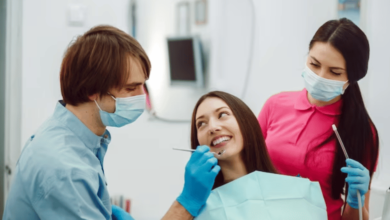
Routine dental visits can feel routine until pain or fear steps in. Then every sound in the chair feels sharper. General dentistry changes that pattern. It turns each visit into a chance to protect your teeth, not just fix damage. You get early cancer checks, gum checks, and bite checks. You also get honest talk about habits that slowly wear your teeth down. A dentist in Manhasset can spot silent problems that you cannot see in a mirror. Then you avoid emergency visits, late night worry, and high bills. Each cleaning, exam, and X ray adds to the strength of your mouth. That steady care keeps your smile clear, your breath clean, and your body safer from infection. You invest one hour. You gain months of relief. This blog explains how general dentistry raises the value of every routine visit and protects your daily life.
Why general dentistry matters at every age
You use your mouth from the first bottle to the last cup of water. Teeth and gums carry every meal, word, and laugh. General dentistry supports each stage of that path.
- Children learn brushing, flossing, and food choices. Early checks guide jaw growth and tooth spacing.
- Adults manage stress, grinding, sugar, and tobacco. Regular care cuts the risk of gum disease and tooth loss.
- Older adults face dry mouth, weak enamel, and past dental work. Routine checks help keep chewing steady and speech clear.
The same general dentist tracks these shifts over time. That long view gives stronger care. Patterns show up. Risk grows or falls. Treatment plans adjust before trouble grows.
What happens during a routine general dentistry visit
A strong visit follows a clear rhythm. You know what to expect. That cuts fear and confusion.
- Medical and dental history review. You share new medicines, health changes, and any pain.
- Visual exam. The dentist checks teeth, gums, cheeks, tongue, and roof of the mouth.
- Gum measurements. A small probe checks the depth of the spaces around teeth.
- Oral cancer screen. The dentist looks and feels for lumps, rough spots, or color changes.
- X rays when needed. These show decay between teeth, bone loss, and infection.
- Cleaning. The hygienist removes plaque and tartar. Then the teeth are polished.
- Personal plan. You hear what is strong, what is weak, and what to change at home.
Each step serves one purpose. Find small problems. Then stop them before they become large problems.
How early checks prevent painful problems
Tooth decay and gum disease grow in silence. You often feel nothing until damage reaches nerve or bone. General dentistry blocks that path.
- Cavities. Catching decay early allows small fillings. Waiting can lead to root canals or extractions.
- Gum disease. Early gum swelling responds to cleaning and home care. Late disease can cost teeth.
- Cracks and wear. The dentist can spot grinding marks and small fractures. Then you can use a night guard or change habits.
The Centers for Disease Control and Prevention explains how untreated cavities and gum disease affect daily life at work and school.
See also: Home Health Care Explained: Services, Benefits, and What to Expect
General dentistry and your whole body
Your mouth connects to your blood, lungs, and heart. Infection in the gums spreads through the body. Chronic gum disease is linked to diabetes control and heart disease risk. Poor chewing affects food choices and weight.
Routine general dentistry helps keep bacteria levels lower. Clean gums bleed less. That reduces the path for germs to enter the bloodstream. You also chew more comfortably. That supports a steady diet and stronger energy.
The National Institute of Dental and Craniofacial Research explains these connections in clear terms at NIDCR Gum Disease Information.
Comparing routine general dentistry and emergency only care
Many people wait for pain. That choice feels easier in the short term. It often costs more time, money, and teeth over the years. The table shows a simple comparison for a typical adult over five years.
| Care pattern | Typical visits in 5 years | Common treatments | Estimated cost level | Impact on comfort |
|---|---|---|---|---|
| Routine general dentistry | 10 to 12 checkups and cleanings | Small fillings, sealants, fluoride, night guard if needed | Lower and more predictable | Short visits. Less pain. Fewer missed days |
| Emergency only care | 3 to 6 urgent visits | Root canals, extractions, large fillings, crowns | Higher and sudden | Strong pain. Swelling. More missed work or school |
This pattern repeats across families. Routine visits feel small. Emergency care feels heavy and draining.
How general dentistry supports children and teens
Routine visits shape habits for life. Children who see the dentist on a schedule learn that care is normal. Not a punishment.
- Sealants protect back teeth from decay.
- Fluoride strengthens enamel.
- Growth checks guide timing for braces or other treatment.
Teens face sports injuries, energy drinks, and late brushing. General dentistry catches worn enamel, mouthguard needs, and early gum swelling. Clear talk about tobacco and vaping protects their future oral health.
Three steps to get more value from each visit
You can raise the value of every routine visit with three simple steps.
- Prepare. Write down questions about pain, sensitivity, or jaw tension. Bring a list of medicines.
- Share. Tell the dentist about snoring, grinding, smoking, or dry mouth. Hidden details often explain mouth changes.
- Follow through. Use the brushing, flossing, and diet tips for at least one month. Then notice changes in bleeding and comfort.
These steps turn you into a partner in your care. The visit becomes a shared plan, not a lecture.
Protecting your future with simple routines
General dentistry adds structure to something many people ignore until it hurts. A set schedule. A familiar office. A trusted team. These pieces work together to guard your mouth and your peace of mind.
Routine care is more effective after treatment. If you already have fillings, crowns, or gum therapy, regular visits watch over that work. Small fixes stay small. You keep more of your natural teeth. You also protect your sleep, speech, and smile from slow damage.
Your next checkup is more than a cleaning. It is a quiet chance to avoid chaos later. Use it fully. Your future self will feel the difference every time you speak, eat, and laugh without pain.