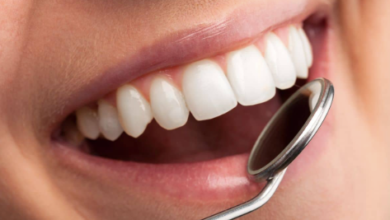
Children often fear the dentist. You see the tight shoulders. You hear the short answers. You may feel your own worry rise. Family dentistry changes that pattern. It turns each visit into a steady lesson in courage, respect, and self‑worth. Your child learns that teeth are not just something that hurt or break. They become something to protect and feel proud of. Gentle staff, clear words, and simple routines show your child that care is not a punishment. It is a choice. Over time, your child begins to brush without reminders. They start to smile more in photos. They ask questions about their teeth. That quiet shift matters. It shapes how they treat their body, their habits, and their confidence. This is the goal of family dentistry and the heart of dental Care in Gates & Rochester, NY.
Why Pride Matters More Than Pressure
You can push a child to brush. You can threaten cavities or fillings. That pressure may work for a week. Then it fades. Pride works longer. When a child feels ownership, care turns into a habit.
Family dentistry supports that pride in three ways.
- It treats your child with respect.
- It gives your child simple, clear choices.
- It shows your child progress they can see and feel.
Each visit tells your child the same message. Your mouth is yours. Your effort matters. Your choices change what happens next.
Creating Trust At Every Visit
Trust starts before the chair. The waiting room, the greeting, and the first questions all set the tone. When your child feels safe, they listen. When they feel judged, they shut down.
Family dentistry teams often use three steady steps to build trust.
- Explain first. The dentist describes what will happen in plain words. Your child hears what tool will touch which tooth and for how long.
- Ask for consent. The dentist checks in. Your child hears, “Is it okay if I start now?” This gives your child a sense of control.
- Pause when needed. The dentist honors a hand signal or word. Your child learns that their voice stops the work.
This clear pattern reduces fear. It also teaches your child a hard truth. Bravery is not silence. Bravery is speaking up and staying in the chair anyway.
See also: Free AI Face Swapper : Tools to Swap Faces With AI Technology
Turning Checkups Into Life Lessons
Each checkup can teach more than “no cavities” or “needs flossing.” It can teach three core habits.
- Notice what your body feels.
- Ask questions when something feels off.
- Act early instead of waiting for pain.
During the visit, the dentist can walk your child through what they see. They may point to a mirror and say, “This is where brushing missed.” They may praise one clean tooth and link it to a specific habit. That clear cause and effect helps your child see their power.
The Centers for Disease Control and Prevention explains that cavities are the most common chronic disease in children, yet they are preventable.
How Family Dentistry Builds Daily Habits At Home
The visit does not end at the exit sign. A strong family dentist gives you and your child simple steps for home. The plan stays short and clear.
- Brush two times each day with fluoride toothpaste.
- Floss one time each day, once teeth touch.
- Drink water often and limit sugary drinks and snacks.
You can ask the dentist to show your child a brushing method that fits their hands and age. Many use the “tell, show, do” method. First, they explain the motion. Next, they show it on a model. Then they guide your child’s hand. This short lesson feels like training, not scolding.
The National Institute of Dental and Craniofacial Research offers simple tips for parents and children at Children’s Oral Health. You can use those tips to match the advice you hear in the office.
Comparing Family Dentistry and One-Time Emergency Care
Many children first see a dentist when they are already hurt. That visit feels rushed and scary. Family dentistry works differently. It aims for steady visits that prevent pain and support pride.
| Feature | Family Dentistry | One-Time Emergency Visit |
|---|---|---|
| Reason for visit | Routine checkups and cleanings | Pain, swelling, or broken tooth |
| Child’s main emotion | Curious or calm | Scared and tense |
| Time for teaching | Planned and steady | Short and rushed |
| Focus of care | Prevention and confidence | Relief and repair |
| Message your child hears | “Your effort keeps your mouth healthy.” | “You come when things are bad.” |
| Long term effect | Stronger habits and pride | Fear of future visits |
This contrast shows why steady family care matters. You help your child link the dentist to praise, comfort, and control. You move away from fear and quick fixes.
Your Role As A Parent Or Caregiver
You set the tone long before the visit. Your words, your face, and your routines send strong signals. You can support pride in three simple ways.
- Speak with calm honesty. Describe what to expect without scary details. Avoid jokes about drills or pain.
- Model the habit. Let your child see you brush and floss. Mention your own checkups as normal events.
- Praise effort, not “perfect teeth.” Notice when your child brushes without being told. Point out their questions and courage.
When you and the dentist send the same message, your child feels steady. They learn that care is not a test. It is a daily promise to themselves.
From Fear To Ownership
Change often starts small. A child lifts their chin so the dentist can see better. They keep brushing for the full song. They remind you about their next visit. Each act is a sign of ownership.
Family dentistry gives your child the tools, praise, and safe space they need. You bring steady support at home. Together, you turn a place of fear into a place of growth. Your child does not just avoid cavities. They gain pride in their own care, one visit and one choice at a time.