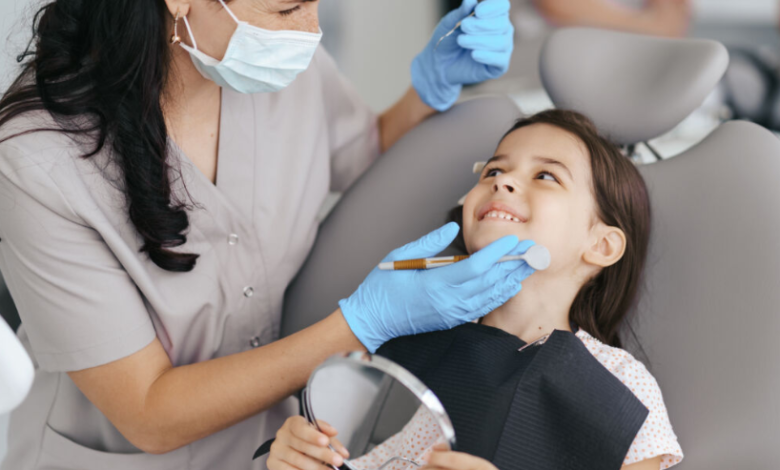
Tooth decay often starts before a child turns two. You may not notice the first white spots or tiny pits. Your child may eat, sleep, and play as usual while quiet damage grows. Pediatric dentists step in at this early stage. They track each new tooth. They look for the first signs of soft or weak enamel. They clean teeth that are hard for you to reach. They coach you on brushing, flossing, and simple food choices. They also offer treatments that block decay on chewing surfaces. In children’s dental in Killeen Tx, pediatric dentists pay close attention to your child’s daily habits and worries. They shape visits that feel safe and quick. Early care protects more than a smile. It guards speech, growth, and steady learning. When you bring your child early, you give them strong teeth and fewer painful surprises.
Why Early Tooth Decay Is So Common
Young teeth are soft. Sugar and bacteria attack them fast. Night bottles, frequent snacks, and juice in cups feed that attack. You might see decay first on the top front teeth. You might notice brown spots or a rough edge. By the time pain starts, decay already reached deeper layers.
Pediatric dentists understand how fast this happens. They know that baby teeth hold space for adult teeth. They protect these teeth so your child can chew, speak, and sleep without pain.
What Pediatric Dentists Look For At Each Visit
Each visit gives the dentist a clear view of your child’s mouth. They do three main things.
- Check for early white spots or tiny pits
- Clean away plaque and hardened buildup
- Guide you and your child on daily home care
They also watch how your child breathes and swallows. Mouth breathing, thumb sucking, or a tight tongue can change tooth position. Early changes in habits can prevent crowding and uneven wear.
Key Prevention Tools Used By Pediatric Dentists
Pediatric dentists use simple tools that work quietly in the background.
- Fluoride treatments. Fluoride strengthens enamel and helps repair weak spots. It lowers the risk of decay on smooth surfaces.
- Dental sealants. Sealants cover deep grooves on chewing surfaces of molars. Food and germs can no longer hide there.
- Professional cleanings. Cleanings remove sticky film and hardened buildup that brushing misses.
You can read more about fluoride and sealants from the Centers for Disease Control and Prevention. These methods are safe for children when used as directed.
How Often Your Child Should See A Pediatric Dentist
The American Academy of Pediatric Dentistry and the National Institute of Dental and Craniofacial Research share a clear message. Your child should see a dentist by the first birthday or within six months of the first tooth. Regular visits help catch decay early and support strong habits.
Recommended Dental Visit Schedule For Children
| Age | Visit Frequency | Main Goals Of Visit |
|---|---|---|
| First tooth to 2 years | Every 6 to 12 months | Check early decay. Guide bottle use. Teach brushing with a tiny smear of fluoride paste. |
| 3 to 5 years | Every 6 months | Watch for cavities. Place sealants when molars appear. Support brushing and flossing skills. |
| 6 to 12 years | Every 6 months or as advised | Protect new adult teeth. Renew sealants. Check bite and jaw growth. |
| Teens | Every 6 months or as advised | Monitor diet and sports risks. Guard against injuries. Reinforce daily care. |
Daily Habits Pediatric Dentists Encourage
Home care shapes your child’s mouth between visits. Pediatric dentists focus on three habits.
- Smart brushing. Brush twice a day with fluoride toothpaste. Use a small pea-sized amount for children over three. Use a soft brush and gentle circles along the gumline.
- Simple flossing. Floss once a day where teeth touch. Start as soon as two teeth touch.
- Tooth friendly snacks. Offer water, cheese, nuts, and crunchy fruits and vegetables. Limit sticky treats and drinks with sugar.
They also urge you to avoid putting a child to bed with a bottle or cup that contains anything except water.
See also: Home Health Care Explained: Services, Benefits, and What to Expect
Pediatric Dentists And Your Child’s Emotions
Many children feel fear in a dental chair. Pediatric dentists train to ease that fear. They use quiet voices. They show tools before using them. They pause when your child needs a break. They praise effort, not perfection.
This trust makes visits smoother. Your child learns that the dental office is a safe place. That trust helps during emergencies or longer treatments later.
When To Call A Pediatric Dentist Right Away
Call a pediatric dentist soon if you notice any of the following.
- White, brown, or black spots on teeth
- Bad breath that does not clear with brushing
- Sensitivity to cold or sweet foods
- Swelling of the gums or face
- Chips or breaks from falls or sports
Fast action can stop small problems from turning into painful infections.
Your Role Together With The Pediatric Dentist
You and the pediatric dentist work as a team. You guide daily habits at home. The dentist checks progress and adjusts the plan. Both roles matter. When you keep visits, follow home care advice, and ask questions, you help your child avoid early tooth decay and painful treatment.
Early, steady care turns dental visits into a normal part of life. Your child gains strong teeth, clear speech, and calm rest. That steady base supports health, learning, and confidence for years.