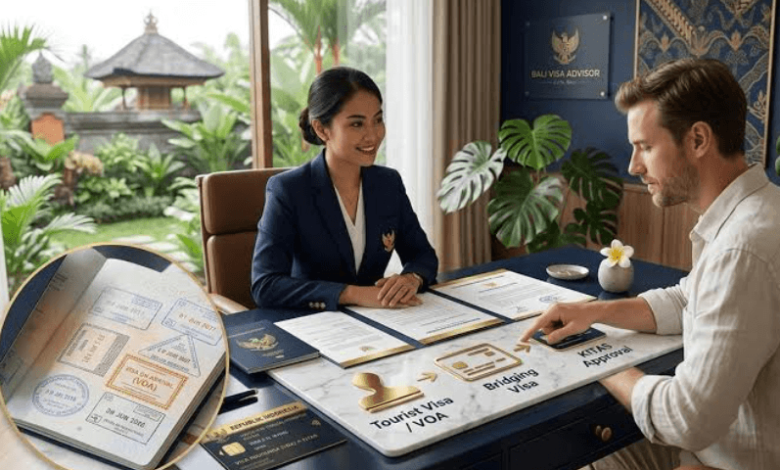
For many foreign nationals, obtaining a visa for Indonesia is the first step toward spending time with family in the country. Whether visiting a spouse, children, or other close relatives, a visa provides a practical way to enter Indonesia legally. However, as family commitments grow and visits become longer or more frequent, relying solely on a visa for Indonesia may no longer be the most effective or compliant option.
Understanding when it is time to transition from a temporary visa to a residence permit is essential for anyone planning a stable family life in Indonesia. The family KITAS Indonesia, long-term stay Indonesia, E31B KITAS, Indonesia residence permitoffers a structured legal residence solution designed specifically for eligible family members who intend to stay for an extended period.
Recognizing the Limits of a Visa for Indonesia
A visa for Indonesia is generally intended for temporary visits. While it allows foreign nationals to enter the country for specific purposes, it comes with limitations regarding the duration of stay, extensions, and long-term residency planning.
Many families initially rely on a visa for Indonesia because it is familiar and relatively straightforward to obtain. However, repeated extensions, frequent exits and re-entries, and changing immigration requirements can make this approach increasingly inconvenient.
If your intention is to establish a long-term family presence rather than make temporary visits, transitioning to a residence permit becomes an important consideration.
When Should You Consider a Family KITAS?
Several situations indicate that a temporary visa for Indonesia may no longer meet your needs:
- You plan to live with your Indonesian spouse or family for an extended period.
- You wish to reduce the need for repeated visa renewals.
- Your family circumstances require greater immigration stability.
- You want to maintain full compliance with Indonesian immigration regulations.
- You are preparing for a longer-term future in Indonesia.
Instead of continuously managing temporary stay permissions, many applicants choose the 1 Year Family KITAS (E31B) because it provides a more appropriate legal framework for long-term family residence.
Short-Term Visa vs. 1 Year Family KITAS (E31B)
Although both options allow lawful presence in Indonesia, they serve very different purposes.
| Temporary Visa | 1 Year Family KITAS (E31B) |
| Intended for temporary visits | Designed for long-term family residence |
| Limited validity period | One-year residence permit |
| May require repeated extensions | Greater stability for extended stays |
| Less suitable for long-term planning | Supports structured immigration planning |
| Focused on entry permission | Focused on legal residence status |
This distinction is important because immigration compliance is based not only on entering Indonesia legally but also on maintaining the appropriate legal status throughout your stay.
Benefits of Transitioning from a Visa to a Residence Permit
Choosing a Family KITAS offers several advantages for individuals who intend to remain in Indonesia with their family over a longer period.
These benefits include:
- More stable legal residence status.
- Reduced administrative burden from repeated visa renewals.
- Greater confidence in long-term immigration compliance.
- Improved support for future residency planning.
- Clearer documentation aligned with Indonesian immigration regulations.
For many applicants, moving beyond a temporary visa for Indonesia represents an important step toward establishing a more secure and predictable life in the country.
Preparing the Required Documentation
One of the most significant challenges when applying for long-term residence is document preparation.
Unlike a temporary visa for Indonesia, a Family KITAS application typically requires a more comprehensive collection of supporting documents. Depending on individual circumstances, applicants may need to prepare:
- Valid passports.
- Family relationship documentation.
- Marriage certificates where applicable.
- Sponsor documentation.
- Immigration forms.
- Supporting identification documents.
- Additional documents requested by immigration authorities.
Ensuring that every document is complete, accurate, and properly prepared can significantly reduce delays during the application process.
Why Professional Guidance Makes a Difference
Immigration regulations evolve over time, and requirements may vary depending on each applicant’s circumstances. Because of this, many families benefit from professional consultation before beginning their residence permit application.
An experienced immigration consultant can help:
- Evaluate eligibility.
- Explain current KITAS requirements.
- Review supporting documents.
- Identify potential compliance issues.
- Guide applicants through each stage of the process.
This structured approach helps applicants transition smoothly from a temporary visa for Indonesia to a legally recognized residence permit while minimizing unnecessary complications.
See also: Was Tyson Beckford Ever Married? : A Look at the Life of the Supermodel
Building a Long-Term Immigration Strategy
Long-term family residence involves more than obtaining initial entry permission. It requires careful planning, accurate documentation, and continued compliance with Indonesian immigration rules.
If your family intends to remain together in Indonesia for an extended period, relying indefinitely on a visa for Indonesia may not be the most practical solution. The 1 Year Family KITAS (E31B) provides a more suitable legal pathway for those seeking stability, compliance, and peace of mind.
Working with trusted immigration professionals allows applicants to better understand the transition process, prepare complete documentation, and confidently establish lawful long-term residence.