You want your child to smile without fear or pain. That starts earlier than most parents expect. Tooth decay can begin soon after the first tooth appears. Small problems grow fast. Early preventive care stops that growth before it hurts your child or your budget. Regular visits, simple cleanings, and quick checks protect tiny teeth and guide healthy habits. You also teach your child that the dentist is a safe place, not a threat. This trust matters during emergencies. Many families wait for a clear problem. By then, the damage is more serious, and treatment is harder. Early prevention gives you more control, fewer surprises, and less stress. A dental clinic in Plymouth, MN can help you start before trouble begins. You do not need to wait for school age. You only need a plan, a schedule, and support from a trusted dental team.
Why Baby Teeth Matter More Than You Think
Many parents believe baby teeth do not matter because they fall out. That belief causes avoidable harm. Baby teeth help your child chew, speak, and breathe with comfort. They hold space for adult teeth. When decay destroys baby teeth, adult teeth may come in crooked or crowded. That can mean braces, jaw pain, and long treatment.
Early decay also affects sleep and school. A child with tooth pain may wake at night, miss class, or struggle to focus. The Centers for Disease Control and Prevention reports that children with poor oral health miss more school days and get lower grades than peers with healthy teeth.
How Early Should Preventive Dentistry Begin
The American Academy of Pediatric Dentistry gives a clear rule. First visit by first birthday or within six months after the first tooth appears. That may feel early. It is not. At that age, the visit is short and gentle. The focus is on teaching you how to clean your child’s teeth and gums, choose snacks, and use fluoride.
The dentist checks for early signs of decay. You may not see those spots at home. When the dentist finds them early, treatment is simple and fast. Your child avoids drills and injections. You avoid sudden large bills.
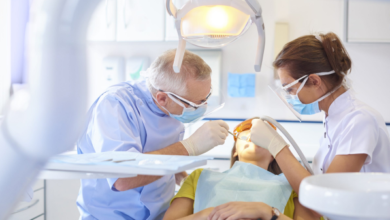
What Happens During an Early Dental Visit
You stay with your child. The visit often includes three simple parts.
- Review of your child’s health and feeding habits
- Quick look at teeth, gums, tongue, and jaw
- Short talk about brushing, flossing, and fluoride
The dentist or hygienist may clean the teeth. They may place fluoride varnish. This is a thin coat that strengthens tooth enamel. It takes only a few minutes. It does not hurt. The CDC notes that fluoride varnish can prevent about one-third of decay in baby teeth.
Early Prevention vs Waiting for Problems
Parents often ask if early visits are worth the time and cost. The answer is yes. Early care is shorter, calmer, and cheaper than crisis care. The table below gives a simple comparison.
| Type of Care | Typical Age | Visit Length | Child Comfort | Family Cost |
|---|---|---|---|---|
| Preventive visit and cleaning | 1 to 3 years | Short | High | Low |
| Fluoride varnish visit | 1 to 5 years | Very short | High | Low |
| Filling for small cavity | 3 to 8 years | Moderate | Medium | Medium |
| Emergency visit for severe decay | Any child age | Long | Low | High |
Early checkups keep your child in the top two rows. Those visits are easier for everyone. They also build trust. Your child sees the dentist during calm times, not only during pain.
Everyday Habits That Protect Tiny Teeth
Preventive dentistry does not happen only in the office. It begins in your home. Three daily steps protect your child.
- Clean after the first tooth appears. Use a soft baby brush and a smear of fluoride toothpaste the size of a grain of rice.
- Limit sugary drinks and snacks. Save juice for meals. Offer water between meals.
- Stop bedtime bottles with milk or juice. Use only water at night.
These steps feel small. They are not. Each choice protects enamel and lowers decay risk. They also teach your child that teeth matter. That message shapes habits for life.
See also: The Benefits of Having an At home nurse for Post-Surgery Recovery
How to Choose a Dental Home Early
Your child needs a regular dental home. This is the clinic where records stay, history builds, and trust grows. You do not need a special reason to start. You only need a child with teeth.
When you choose a clinic, you can ask three simple questions.
- Do you see children under age three
- Can my child stay with me during the visit
- How do you help children who feel scared
Listen to the answers. Clear, calm answers show respect for your role as a parent. They also show that the clinic understands young children.
Facing Fear and Building Trust
Many adults carry old memories of painful dental visits. Those memories shape how they care for their children. You can break that pattern. Early gentle visits help your child feel safe. The team speaks in simple terms. They show tools. They explain each step before they begin. Your child sees that the chair is not a threat.
This trust matters during sudden problems. When an injury or infection happens, your child already knows the faces and voices in the room. That comfort lowers fear. It also helps the team treat faster.
Take the First Step Now
You do not need perfect habits to start preventive dentistry. You only need the next step. That step might be wiping your baby’s gums tonight. It might be calling a clinic to schedule a first visit. It might be cutting one sugary drink from tomorrow’s menu.
Early preventive care is not about blame. It is about protection. You protect your child’s smile, sleep, and confidence. You also protect your own peace of mind. Start earlier than you planned. Your child’s future self will thank you, even if they never know why their teeth feel strong and steady.